

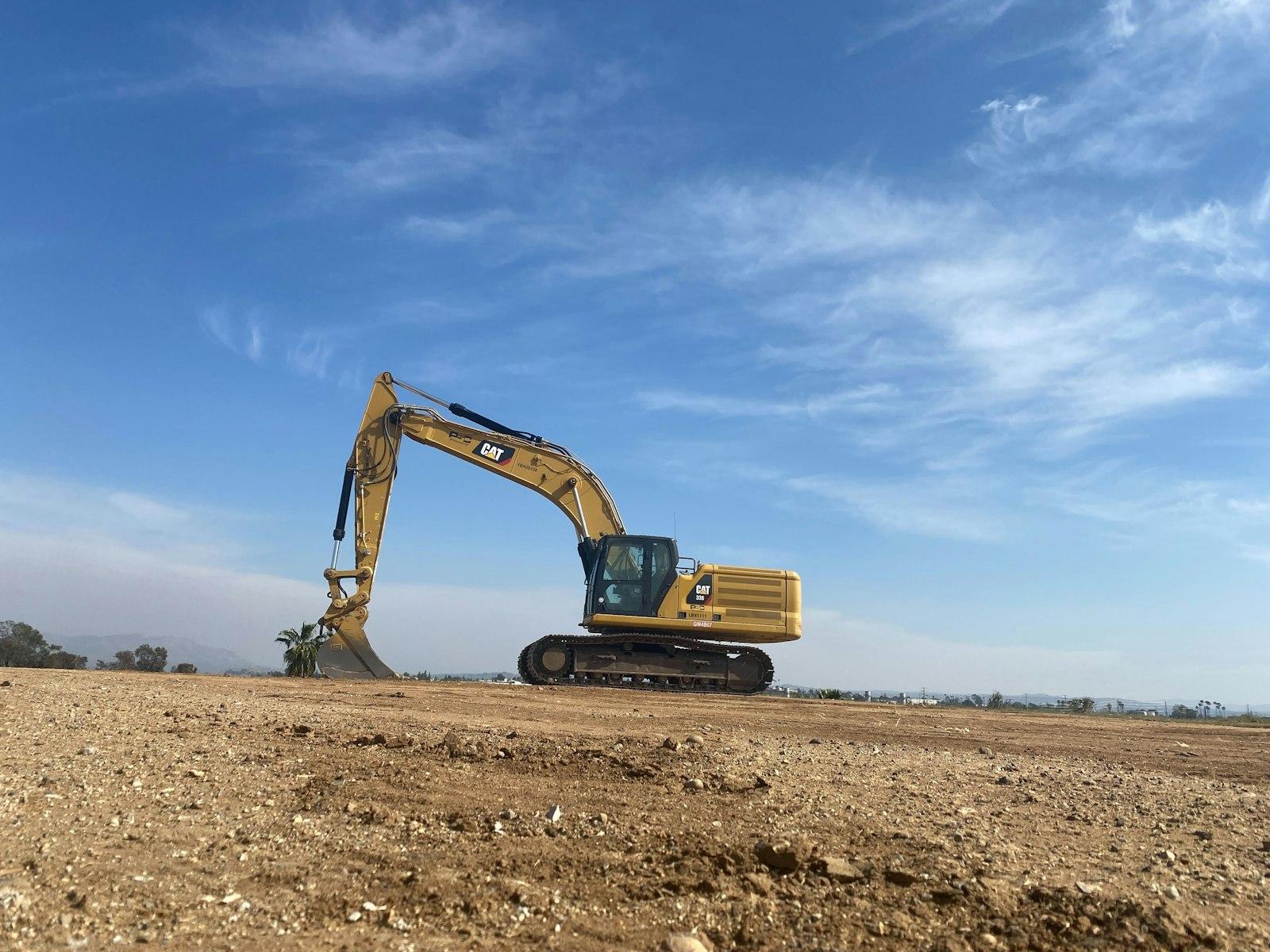
Grading can look like a single visit from a bulldozer, but a properly done project moves through several distinct steps.
Step 1: Site Assessment
Evaluating existing elevation, soil type, and drainage patterns before any equipment shows up.
Step 2: Grading Plan
Establishing target elevations and slopes, often based on an engineered plan for larger or commercial projects.
Step 3: Rough Grading
Shaping the general contours of the site to get close to the target elevations.
Step 4: Fine Grading
Refining the surface to exact tolerances, especially around foundations, drainage paths, and hardscape areas.
Step 5: Compaction and Inspection
Two final steps are especially important before construction moves forward:
• Soil compaction helps prevent future settling after the site has been shaped.
• A final inspection confirms that elevations meet the grading plan before construction begins.
Communication between steps is just as important as the equipment used. If field conditions differ from the original assumptions, the grading plan may need to be adjusted before crews continue. Documenting those changes helps keep drainage, elevations, and later construction aligned.
The process also depends on sequencing. Utility work, retaining walls, drainage structures, and access roads can affect when certain areas should be brought to final grade. Finishing too early may mean the surface gets disturbed again by another trade, while finishing too late can hold up construction.
A final walkthrough should focus on performance, not appearance alone. The site should match the intended elevations, drain toward the planned outlets, avoid unwanted low spots, and leave stable surfaces for the next phase of work. That verification is what turns moved dirt into a construction-ready site.
Frequently Asked Questions
How long does the process typically take?
It varies with site size and soil conditions, a site walk is the best way to get a realistic timeline.
Is an engineered grading plan always required?
Not always for smaller residential projects, but it’s standard for commercial and larger residential work.
The Bottom Line
Each step exists for a reason, skipping one is usually where problems start.