

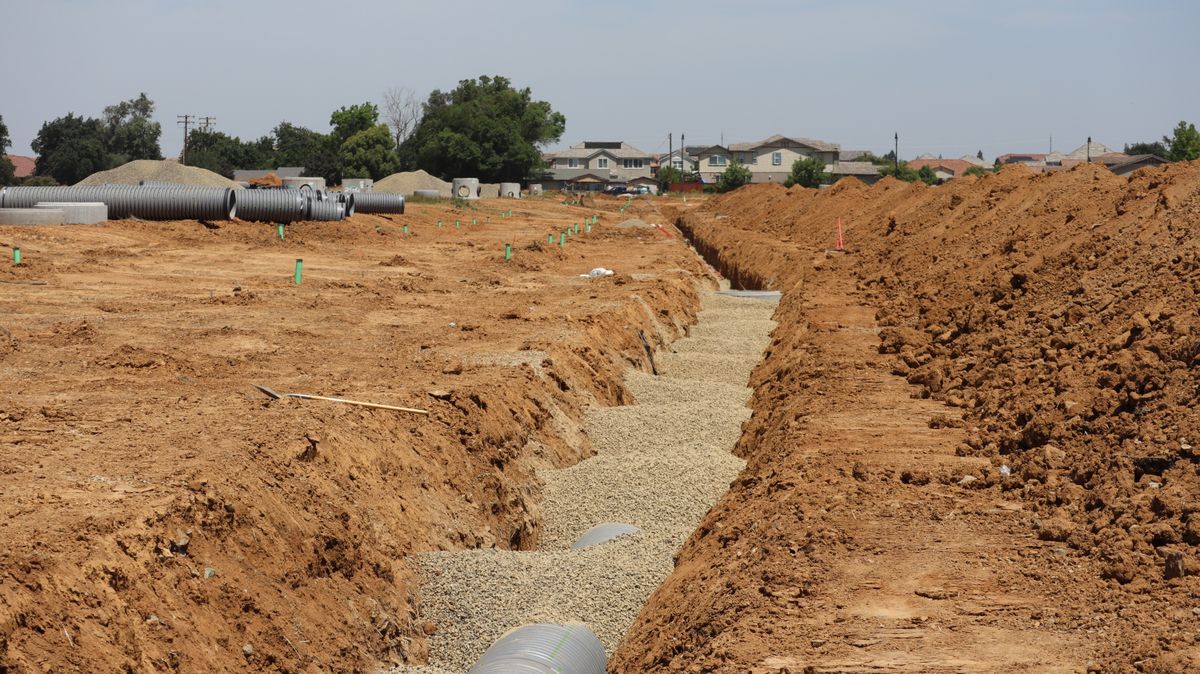

A wooded lot looks empty on the survey and full of unknowns on the ground. What’s actually under the tree line — root mats, old fill, buried debris, low spots that never drain — has more influence on the grading plan than most people expect walking the property for the first time.
Carolina Precision Grading provides site development solutions throughout the Carolinas, including land clearing, demolition, earthwork, storm drainage, erosion control, asphalt services, road work, and culvert-related work. The company positions itself around expertise, quality, trust, professionalism, and clear communication.
What to Look For
Land clearing sets up everything that follows, so it’s worth treating as a planning step rather than a quick cleanup before the real work begins.
- Confirm how tree stumps and root systems will be removed, not just the trees themselves.
- Ask how cleared debris will be handled — burned, hauled off, or chipped on site.
- Check whether the clearing plan accounts for erosion control before bare soil is exposed to weather.
- Look for a plan that identifies wet or low areas before equipment starts working them.
- Confirm access routes for equipment won’t damage areas meant to stay undisturbed.
Start with CPG’s site work capabilities, broader service overview, and the company’s Carolina Precision Grading homepage for context on how the work fits into full site development.
Common Scope Items
These are the pieces of a land clearing scope most likely to affect the grading plan that follows.
| Item | Why It Matters | Question to Ask |
| Tree and stump removal | Leftover root mats interfere with compaction later | Are stumps grubbed out, or left partially in place? |
| Debris disposal method | Burning, hauling, and chipping carry different costs and timelines | How will cleared material be removed or processed? |
| Erosion exposure window | Bare soil is vulnerable the moment vegetation is gone | What stabilization happens between clearing and grading? |
| Unsuitable material discovery | Old fill or debris under vegetation changes the earthwork plan | How will unexpected buried material be handled and priced? |
| Access and disturbance limits | Equipment routes can damage areas meant to stay untouched | Which areas are off-limits to clearing equipment? |
For outside reference, resources like EPA construction stormwater guidance can help owners understand soil, permitting, safety, erosion control, or local development requirements.
Questions Worth Asking
Ask these before clearing starts, while changes are still cheap to make.
- How will you handle stumps and root systems, not just standing trees?
- What’s your plan for the gap in time between clearing and the start of grading?
- How do you identify wet or unstable areas before they become a problem?
- What happens to cleared debris, and is disposal included in this price?
- Will clearing boundaries be marked and confirmed with me before work begins?
Those answers should connect back to the finished grade, not just the first day of dirt work. If asphalt, road work, culverts, or retaining walls are involved, review CPG’s asphalt services, road construction services, and bridge and culvert work.
Red Flags to Watch For
Watch for these signs that clearing is being treated as a standalone task instead of the first step of grading.
- No plan for what happens to stumps and root systems.
- Clearing scheduled with no stabilization plan for the gap before grading starts.
- Vague answers about where debris ends up.
- No discussion of wet areas or unsuitable material until it’s already been uncovered.
- Clearing boundaries left undefined until equipment is already on site.
A strong contractor should explain how the finished grade supports the rest of the construction plan. That includes where runoff is intended to go, how elevations relate to foundations and paved areas, and whether additional drainage features are needed.
Frequently Asked Questions
What should I ask before clearing starts on a wooded lot?
Ask about stump removal, debris disposal, the timeline before grading begins, and how wet or unstable areas will be identified. These answers shape the earthwork plan that follows.
How long can cleared land sit before grading without a problem?
It depends on weather and slope, but exposed soil left too long without stabilization is more prone to erosion. Ask how the contractor plans to bridge that gap.
Does local experience matter for land clearing specifically?
Yes. Carolina soils and vegetation patterns affect how quickly cleared ground erodes and how root systems need to be handled, and local experience shortens that learning curve.
Is a cheap clearing bid worth the savings?
Only if it includes stump grubbing, debris removal, and basic stabilization. A bid that skips those steps can cost more once grading exposes what was left behind.
The Bottom Line
Land clearing decisions made in week one show up in the grading plan for the rest of the project.
Carolina Precision Grading brings Charlotte-based site development experience, modern equipment, and a communication-first approach to grading and construction support across the Carolinas. For project questions, use the CPG contact section.

Leave A Comment