

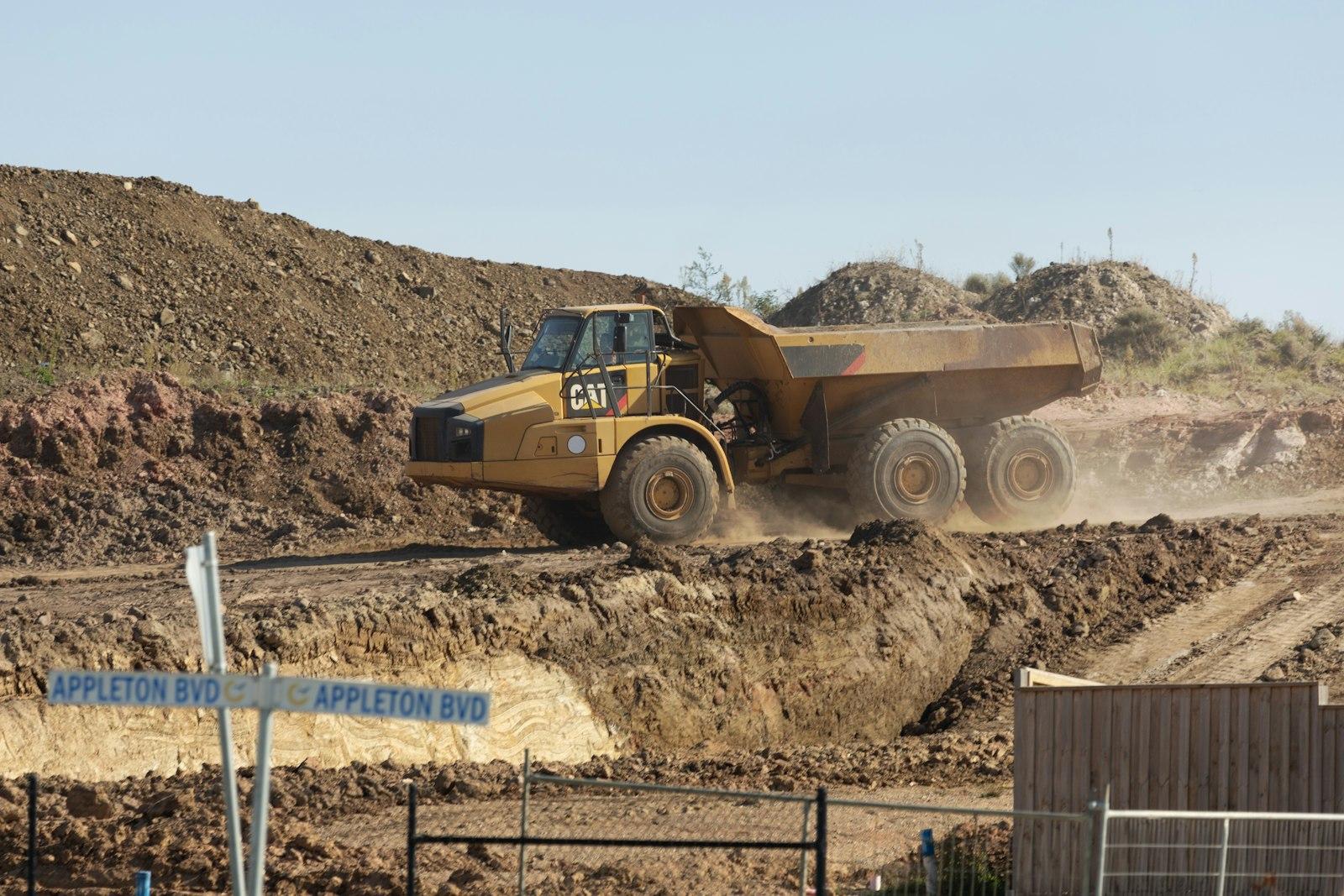
For developers and general contractors, raw land does not become construction-ready in a single step. Large-scale site preparation is a coordinated sequence of civil operations that establishes access, clears the work limits, moves and compacts earth, manages stormwater, installs infrastructure, and creates the grades needed for roads, building pads, utilities, and structures.
For commercial developments, subdivisions, infrastructure projects, and other Charlotte-area work, the strongest site preparation plans connect clearing, mass earthwork, drainage, erosion control, sanitary sewer, water distribution, roadway areas, and access from the beginning. Treating those civil scopes as isolated handoffs can create rework, scheduling conflicts, unnecessary hauling, and repeated disturbance of completed grades.
- Confirm the Limits of Work
Before equipment starts moving, the project team should verify property boundaries, easements, protected areas, clearing limits, utility locations, access points, and the approved construction footprint. The City of Charlotte’s Growth and Development resources can help teams understand local development processes, while Mecklenburg County requirements may also apply depending on jurisdiction and project type.
Clear limits protect areas that should remain undisturbed and give contractors a shared understanding of where excavation, grading, stockpiles, and temporary access can occur.
- Clear and Grub the Site
Land clearing removes trees, brush, structures, and other obstacles that interfere with construction. Grubbing goes below the surface to remove stumps, large roots, and organic material from areas that need to support fill, pavement, utilities, or structures.
This step should be coordinated with the grading plan. Clearing more land than necessary can increase erosion exposure and restoration costs, while clearing too little can restrict equipment movement and force crews to stop later.
- Establish Erosion and Sediment Controls
Disturbed soil is vulnerable before permanent drainage systems are complete. The EPA’s construction stormwater guidance explains why active sites need controls that reduce sediment leaving the work area.
Depending on the project, site preparation may include stabilized entrances, temporary diversions, sediment barriers, inlet protection, phased clearing, or other measures. These controls should be maintained as the site changes, not installed once and forgotten.
- Perform Rough Grading
Rough grading creates the major shape of the site. Crews cut high areas, fill low areas, create building pads, form road and parking zones, and establish broad drainage patterns.
The objective is to get the site close to design elevations while leaving room for later materials. Stone base, asphalt, concrete, topsoil, landscaping, and other finishes all affect final grade, so bringing an area to its finished elevation too early can create extra work.
- Coordinate Underground Utilities
Storm drainage, sanitary sewer, water distribution, and other underground work can significantly affect the grading sequence. Trenches and structures disturb finished surfaces, so utility installation should be coordinated before areas are treated as complete.
Carolina Precision Grading provides site work that includes earthwork, storm drainage, sanitary sewer, water distribution, erosion control, site concrete, and related infrastructure. Keeping those scopes aligned helps reduce repeated excavation and keeps elevations consistent across the site.
- Place and Compact Fill Correctly
Fill should be placed in controlled lifts and compacted to the requirements of the project. Moisture, soil type, equipment, and lift thickness all affect how well material compacts. The USDA Natural Resources Conservation Service offers useful background on soil behavior and soil characteristics.
Compaction is especially important beneath building pads, pavement, retaining structures, and utility backfill. A surface can look smooth while still hiding weak or inconsistent material underneath.
- Build Drainage Into Every Phase
Drainage should work during construction as well as after it. Temporary grades need to keep water away from active building areas, while permanent grades should connect to storm structures, swales, detention features, and approved discharge points.
Site teams should watch for low spots, blocked flow paths, erosion at steep transitions, and grading changes caused by later trades. Water will always follow the actual ground, even when the field condition no longer matches the original plan.
- Prepare Stable Access for Upcoming Trades
A build-ready site also needs practical access. Delivery trucks, concrete crews, utility contractors, and framing or structural teams all depend on stable routes and staging areas.
Poor access can damage completed grading, create mud tracking, or force equipment through areas that were never intended for traffic. Planning haul roads and staging areas early protects both the schedule and the finished work.
- Verify Elevations Before Vertical Construction
Before foundations or major vertical work begin, confirm that critical building pads, road areas, drainage features, and utility structures are at the expected stage. That may involve survey checks, compaction testing, inspections, or a coordinated walkthrough depending on the project.
A final review should focus on performance as well as appearance. The site should drain as intended, support upcoming loads, provide safe access, and leave clear allowances for final materials.
A Simple Build-Ready Checklist
Before the next phase starts, confirm:
- Clearing and grubbing are complete within the approved limits.
- Erosion and sediment controls are installed and functioning.
- Rough grading matches the intended site layout.
- Unsuitable material has been addressed.
- Fill and backfill have been compacted as required.
- Underground utilities are coordinated with grading.
- Temporary and permanent drainage paths are working.
- Access routes and staging areas can support upcoming trades.
- Critical elevations have been verified.
- Remaining fine grading is clearly identified.
Frequently Asked Questions
What does build-ready mean?
It means the site has reached the condition required for the next construction phase. For a building pad, that may include clearing, grading, compaction, drainage coordination, and verification of elevation. Other portions of the property may still require additional work.
Can site preparation and grading happen at the same time?
Yes. They frequently overlap. The most efficient projects coordinate clearing, grading, utilities, drainage, and erosion control as one sequence rather than treating them as isolated tasks.
The Bottom Line
Site preparation establishes the civil platform that the rest of a large construction schedule depends on. Charlotte-area developments move more efficiently when clearing, mass grading, drainage, utilities, roadwork, access, erosion control, and inspections are planned as one connected system. For developers and general contractors, the goal is not simply a cleared parcel; it is a coordinated, stable, build-ready site that can support the next phase without unnecessary rework.

Leave A Comment