

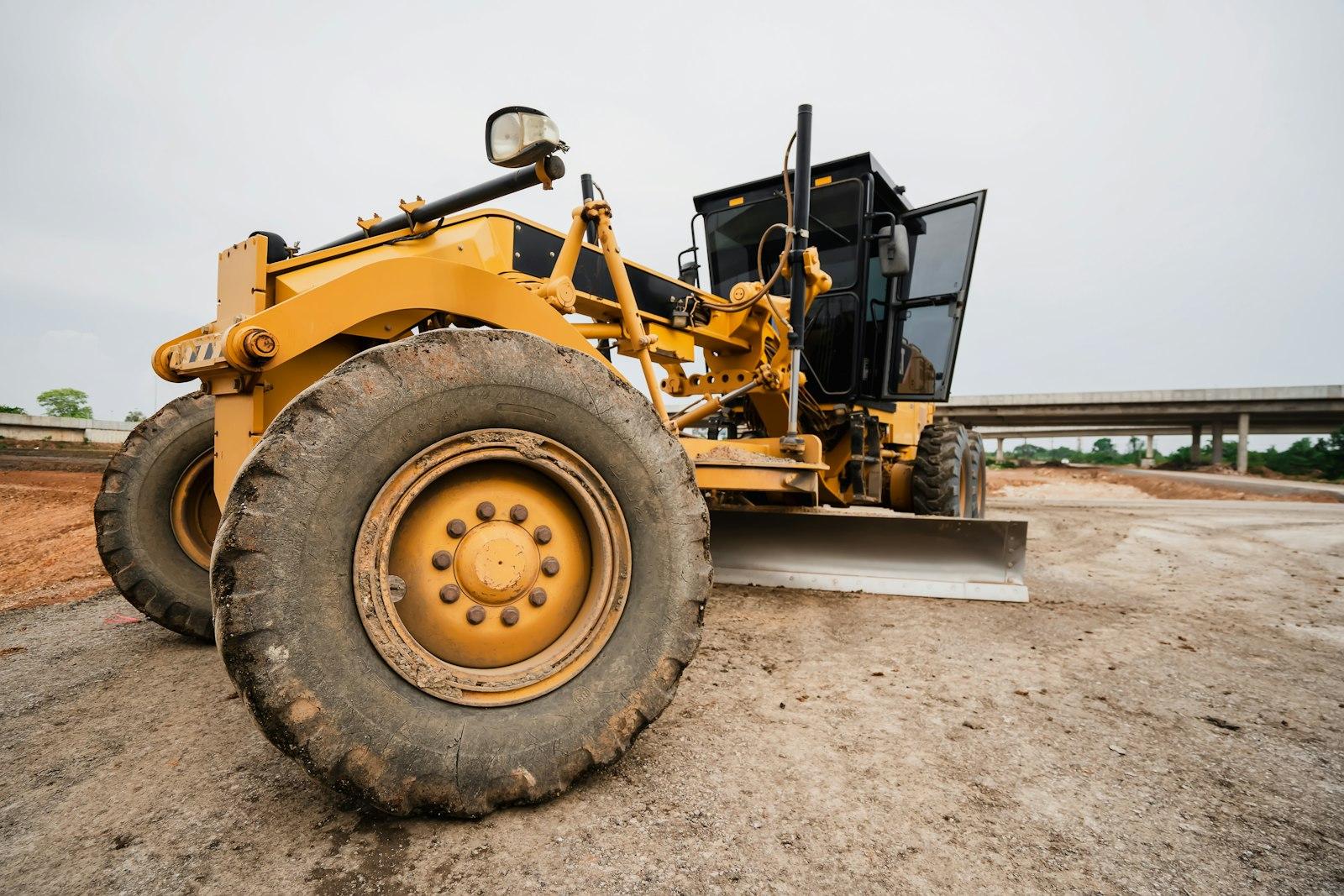
Every successful build starts below the surface, literally. Before a foundation goes in, before a driveway is poured, the land itself has to be shaped correctly. That’s precision grading, and getting it wrong is one of the most expensive mistakes a project can make.
What Precision Grading Actually Involves
- Establishing the correct elevations and slopes across a site
- Ensuring water drains away from structures, not toward them
- Preparing a stable, compacted base for foundations, driveways, and hardscape
- Following engineered grading plans down to precise tolerances
Why “Precision” Is the Key Word
Rough grading and precision grading play different roles in site preparation:
• Rough grading focuses on the general shaping of the land, while precision grading works to tight elevation and slope tolerances.
• Rough grading is part of early-stage site preparation, while precision grading creates the final surface needed for construction.
• Rough grading establishes the overall site form, but precision grading directly controls final water flow and helps support foundation stability.
Why It Matters in the Charlotte Area
Charlotte’s clay-heavy soil and seasonal rainfall make grading accuracy especially important. Poor grading here doesn’t just cause puddling, it can lead to foundation settling and water intrusion issues that show up years after a project is finished.
Precision grading also affects how smoothly later phases of construction move. Concrete crews, utility installers, landscapers, and paving contractors all depend on elevations that are close to plan, so an inaccurate grade can create delays or force other trades to compensate for a problem they did not create.
Compaction is another part of the process that is easy to overlook. Shaping the surface is only useful if the material underneath is stable enough for the intended load. Depending on the project, that may mean placing fill in controlled lifts, managing moisture, and verifying that the finished base is ready for foundations or pavement.
Owners should also think about drainage beyond the immediate building pad. Driveways, swales, neighboring lots, culverts, and low points all influence where stormwater ultimately goes. A precise grading plan connects those features so water is directed intentionally instead of simply pushed away from one structure and into another problem area.
Frequently Asked Questions
How is precision grading different from excavation?
Excavation removes and moves earth. Grading shapes the finished surface to exact specifications, often after excavation is complete.
Does every project need precision grading?
Any project involving a foundation, drainage system, or hardscape benefits from it. Skipping it is one of the more common causes of costly rework.
The Bottom Line
Precision grading is the part of a project most people never think about, until something goes wrong because it was skipped. Getting it right the first time protects everything built on top of it.

Leave A Comment